
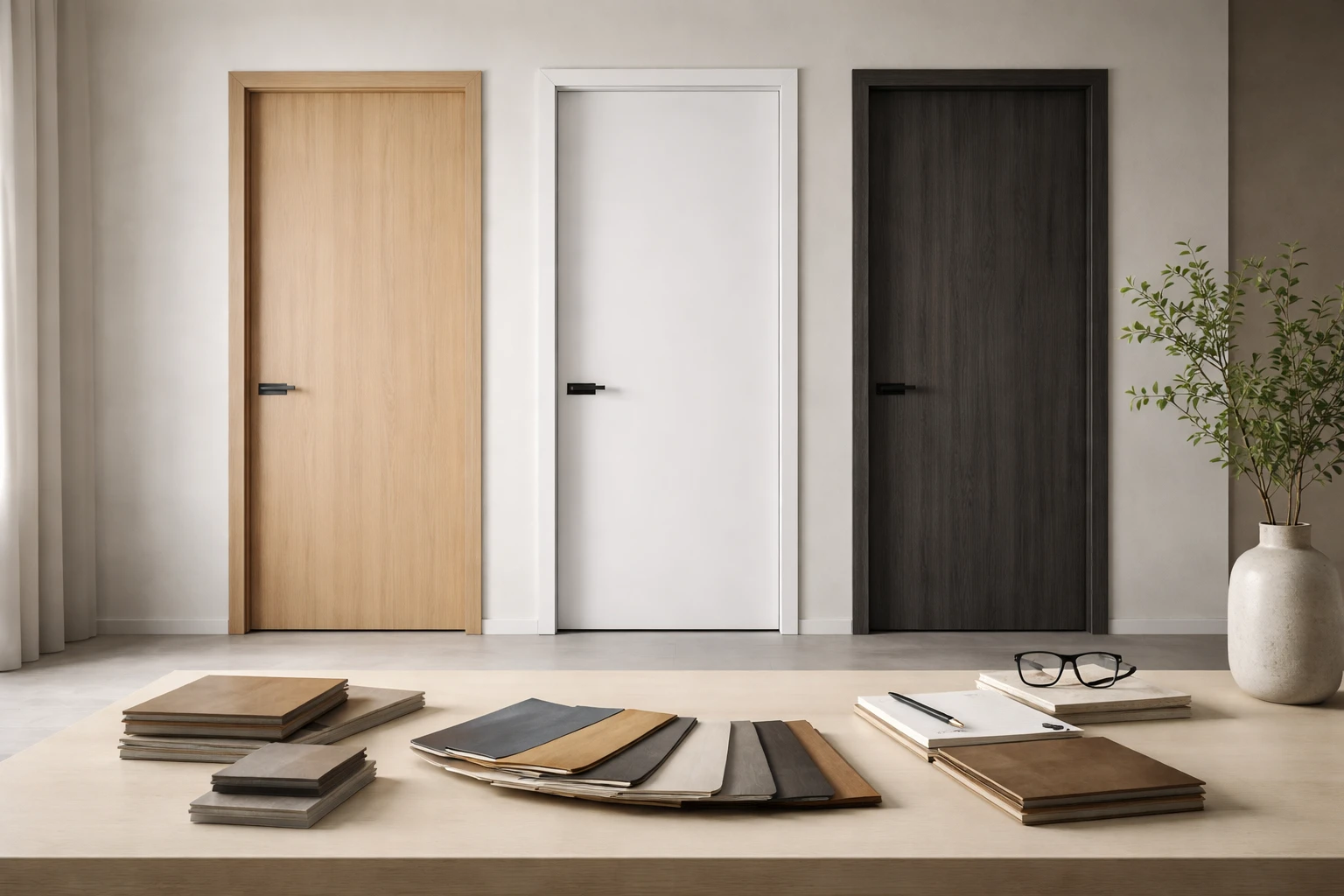
Interior doors are more than just functional elements in your home. They shape the atmosphere, define privacy, and complete the visual harmony of each room. If you want your doors to serve you for years without losing their beauty and performance, proper care and thoughtful use are essential. You can explore high-quality options and inspiration at https://indigodoors.com/ while also learning how to maintain what you already have.
A well-maintained door quietly does its job day after day, opening and closing with ease, resisting wear, and preserving its original charm. Let’s dive into practical ways to extend the lifespan of interior doors without complicated or expensive solutions. Pay attention not only to obvious factors like cleaning and installation, but also to the small details that often go unnoticed. Even the direction of airflow in a room or the way light hits the surface can affect how a door ages over time.
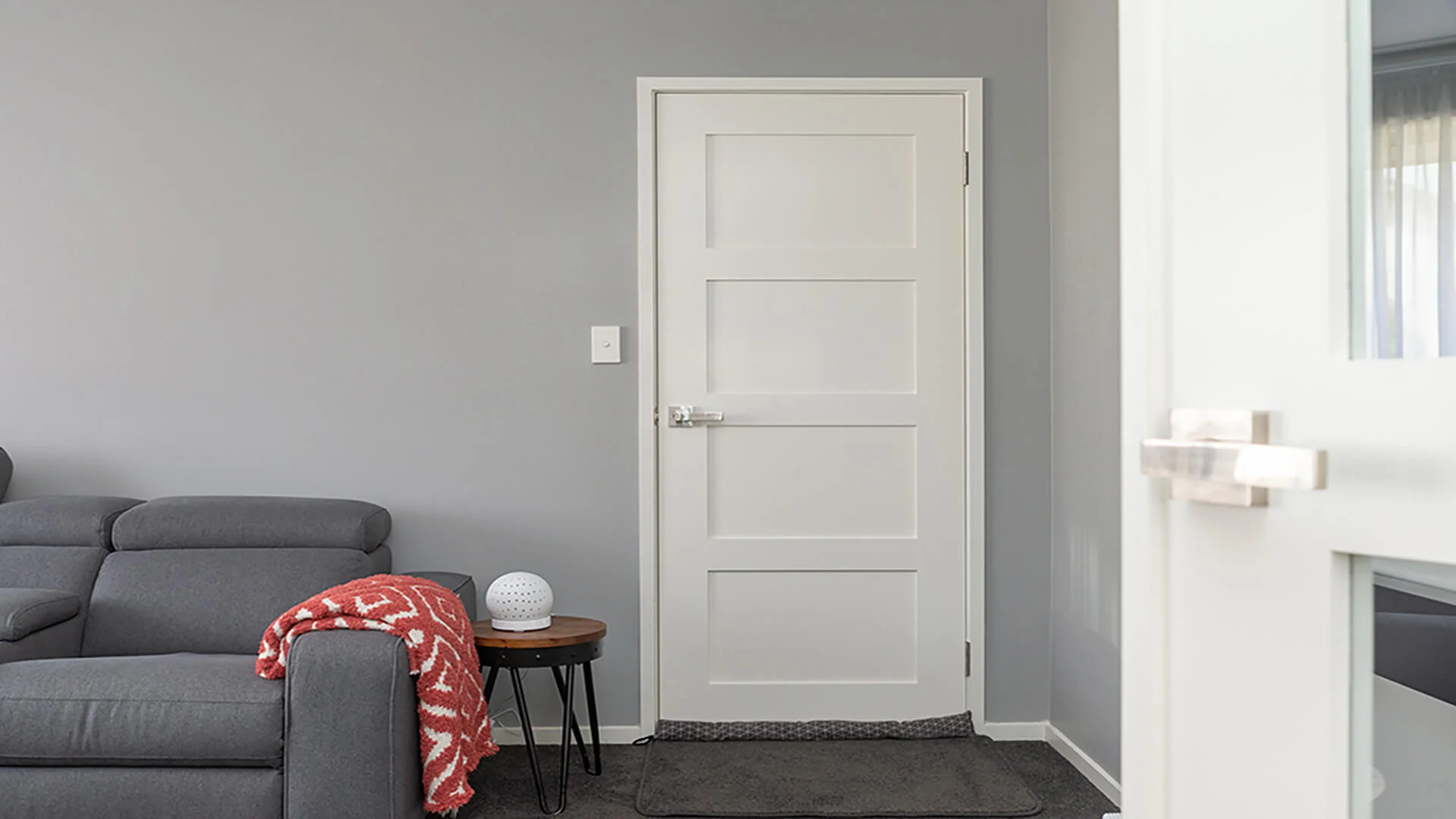
Choosing the right door materials
The foundation of durability begins with the material. Not all doors age the same way, and understanding this helps you make better decisions from the start. A thoughtfully selected door becomes part of your home’s long-term comfort, not just a temporary design choice. It is worth considering not only current needs but also how the space will be used in the future. For example, rooms that may later become children’s bedrooms or home offices will require more durable and sound-resistant options.
Popular materials and their durability
Each material has its own strengths and weaknesses, influencing how long your door will last.
- Solid wood doors offer excellent durability and timeless aesthetics
- MDF doors provide a smooth surface and resist warping better than natural wood
- Hollow core doors are lightweight and budget-friendly but less durable
- Glass panel doors add elegance but require careful handling
A high-quality material is not just about looks, it is an investment in years of quiet and reliable performance
When selecting a door, consider the room’s humidity, temperature changes, and daily traffic. For example, bathrooms demand moisture-resistant options, while living rooms benefit from more decorative finishes. It is also useful to touch and inspect the material in person whenever possible. The texture, weight, and even sound when tapped can reveal a lot about the door’s quality and internal structure.
Matching doors to room conditions
Not every door fits every environment. Choosing wisely prevents premature damage.
- Use moisture-resistant doors in bathrooms and kitchens
- Install solid doors in high-traffic areas like hallways
- Avoid lightweight doors in homes with children or pets
- Consider soundproofing features for bedrooms and offices
Beyond these basic choices, think about how sunlight enters each room. Prolonged exposure to direct sunlight can fade finishes and weaken certain materials. In such cases, UV-resistant coatings or curtains can significantly reduce wear. Another subtle factor is airflow. Rooms with strong drafts may cause doors to slam more often, increasing mechanical stress over time.
Proper installation matters
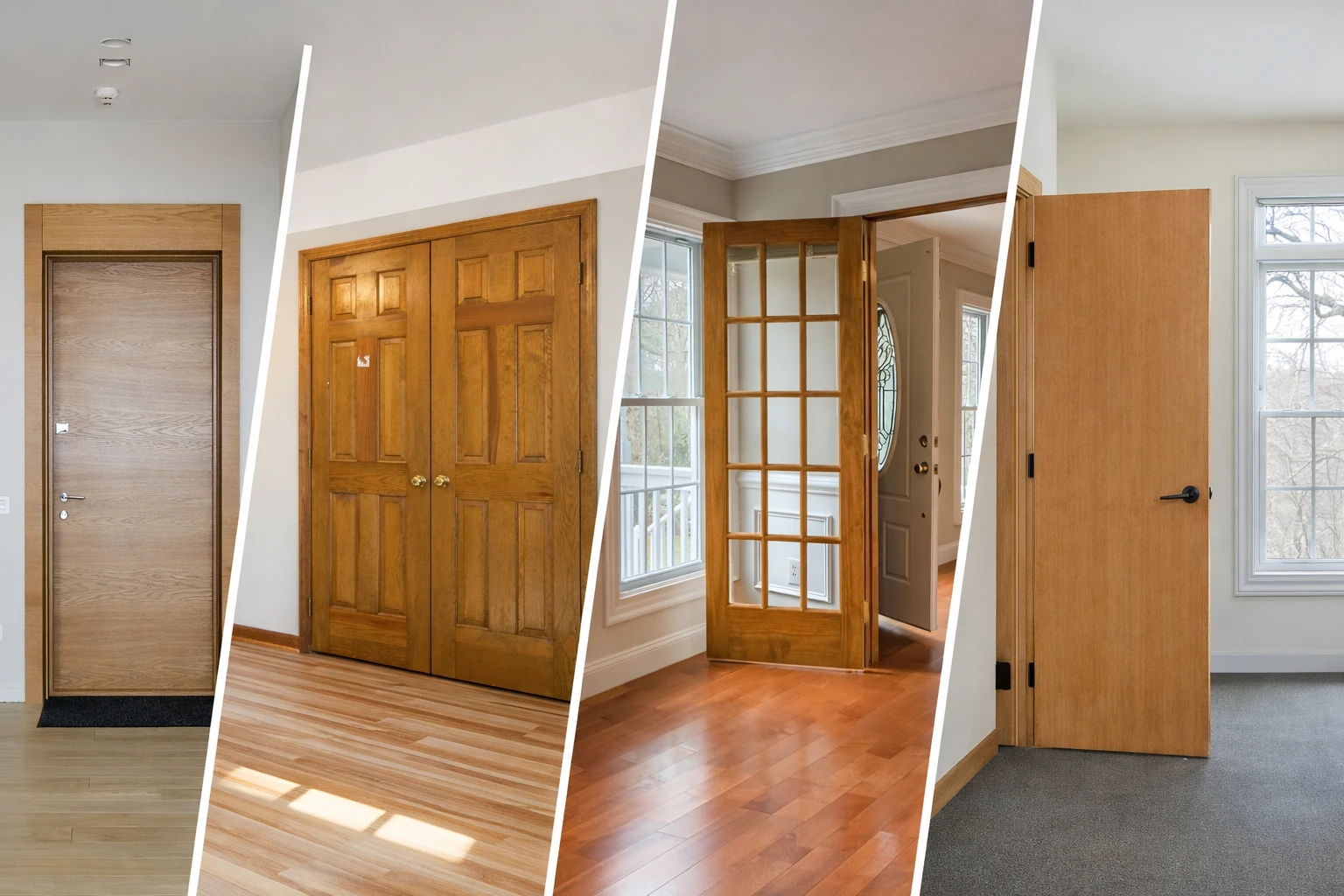
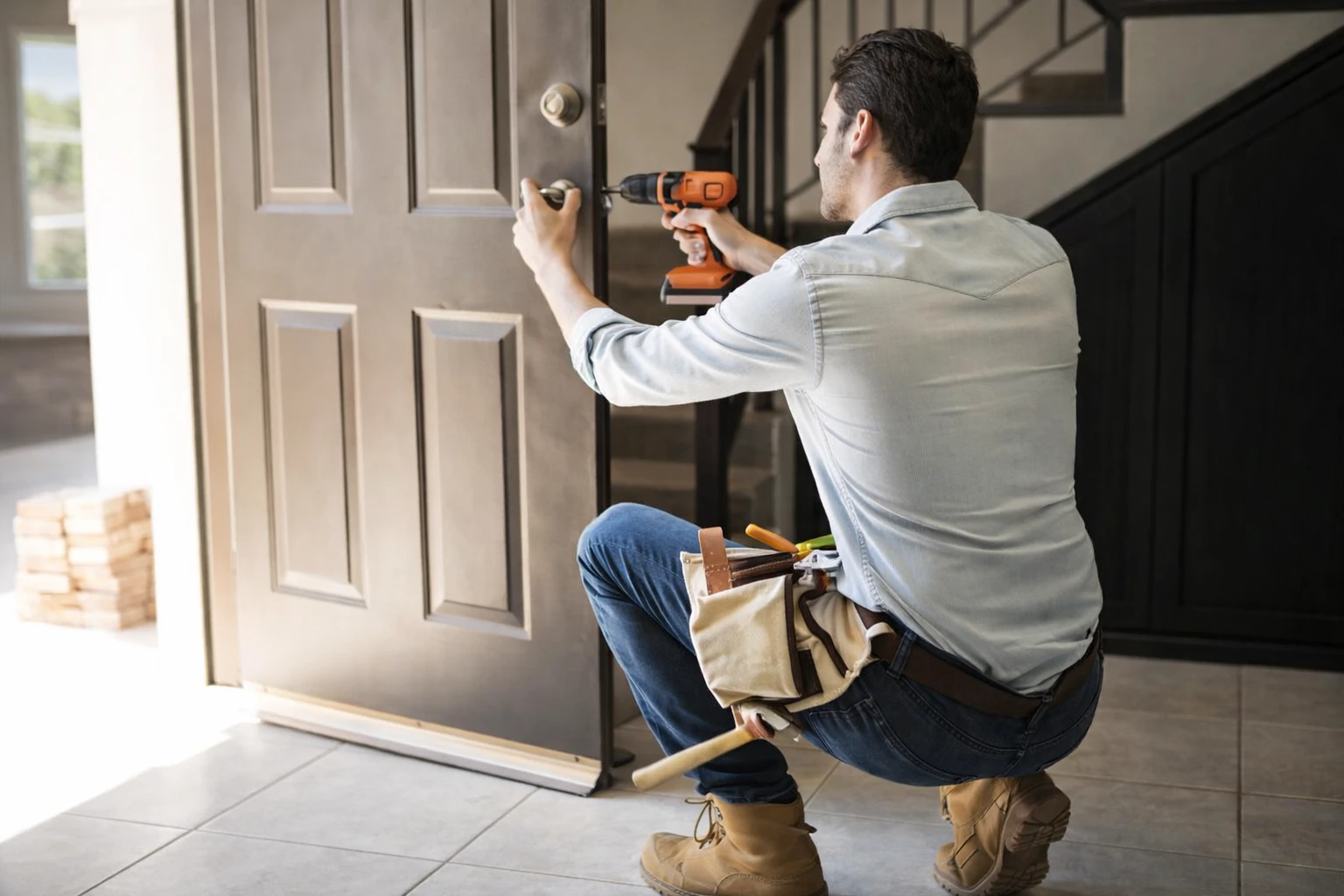
Even the best door will fail if installed incorrectly. Installation determines how smoothly the door operates over time. A door that fits perfectly on day one will continue to function effortlessly years later, while even minor installation errors can gradually worsen and lead to structural issues. Paying attention during this stage sets the tone for the entire lifespan of the door.
Common installation mistakes
Improper alignment or cheap hardware can quickly lead to problems.
- Misaligned hinges causing uneven wear
- Poorly fitted frames leading to gaps and drafts
- Low-quality screws loosening over time
- Incorrect door size creating pressure on the structure
A perfectly installed door feels effortless to use and remains stable for years without adjustment
Many homeowners underestimate how small deviations in alignment can affect long-term performance. A door that slightly rubs against the frame may seem acceptable at first, but over time it damages both the surface and the hinges. Careful measurement and patience during installation prevent these hidden issues.
Tips for long-lasting installation
Proper installation techniques ensure long-term reliability.
- Ensure the frame is level and square
- Use high-quality hinges and fasteners
- Leave small gaps for natural expansion
- Test the door movement before final fixing
It is also helpful to recheck the installation after a few weeks of use. Materials can settle slightly, especially in new buildings. Making small adjustments early helps maintain perfect alignment and prevents future complications.
Daily care and gentle use
Small daily habits can significantly affect how long your doors last. Many people overlook this simple yet powerful factor. A door that is treated gently becomes part of a calm and comfortable living environment, while rough handling gradually shortens its lifespan.
Everyday habits that protect your doors
Treating doors with care prevents unnecessary stress on their structure.
- Avoid slamming doors forcefully
- Use door stoppers to prevent wall impact
- Keep handles clean and dry
- Open doors gently rather than pushing aggressively
The way you use a door every day defines whether it lasts five years or twenty
It is also important to pay attention to how children and guests interact with doors. Simple adjustments like installing soft-close mechanisms or magnetic stoppers can dramatically reduce impact damage. Over time, these small improvements make a noticeable difference in preserving both appearance and function.
Cleaning without damage
Cleaning is necessary, but incorrect methods can harm finishes.
- Use soft cloths instead of abrasive materials
- Avoid harsh chemicals that strip coatings
- Clean regularly to prevent buildup
- Dry surfaces after wiping to avoid moisture damage
In addition, using specialized cleaners designed for wood or laminate surfaces can help maintain the protective layer. Even something as simple as wiping fingerprints regularly prevents oils from penetrating the finish and causing discoloration.
Protecting doors from moisture and temperature changes
Environmental factors are one of the biggest threats to interior doors, especially in climates with seasonal changes. Temperature fluctuations and humidity can silently affect the structure, leading to long-term damage if not properly managed.
How moisture affects doors
Humidity can cause swelling, warping, and cracking over time.
- Wood absorbs moisture and expands
- Coatings may peel in damp conditions
- Hinges can rust if exposed to humidity
- Frames may shift due to environmental changes
In some cases, these changes happen gradually and are not immediately noticeable. A door may start closing slightly differently or develop small gaps, signaling early signs of environmental stress.
Practical protection strategies
- Use ventilation in bathrooms and kitchens
- Install dehumidifiers in humid areas
- Keep doors away from direct water exposure
- Maintain consistent indoor temperature
You can also improve protection by sealing edges and less visible parts of the door. These areas often absorb moisture first. Regularly checking these spots helps prevent hidden damage that could later affect the entire structure.
Regular maintenance and inspection
Routine maintenance is the secret to long-lasting doors. Small issues, when ignored, often turn into major problems. A consistent inspection routine helps you stay ahead of wear and avoid unexpected repairs.
What to check regularly
Inspecting your doors periodically helps catch early signs of wear.
- Loose hinges or screws
- Squeaking or resistance when opening
- Surface scratches or dents
- Misalignment or uneven closing
Observing how the door behaves during daily use can reveal problems before they become visible. Changes in sound, resistance, or movement are often early indicators.
Simple maintenance routine
- Tighten screws every few months
- Lubricate hinges to prevent noise
- Touch up scratches with matching paint or polish
- Adjust alignment if the door starts sticking
Creating a simple seasonal routine can make maintenance effortless. For example, checking all doors at the start of each season ensures they adapt well to temperature and humidity changes throughout the year.
Enhancing durability with protective finishes
Finishes act as a shield, protecting doors from daily wear and environmental factors. They not only improve appearance but also significantly extend the life of the material beneath.
Types of protective coatings
Different finishes provide varying levels of protection.
- Varnish enhances natural wood while adding a protective layer
- Paint seals the surface and offers color customization
- Laminate coatings resist scratches and moisture
- Wax or oil treatments nourish and protect wood
Choosing the right finish also depends on how often the door is used. High-traffic areas benefit from stronger, more resistant coatings, while decorative doors may focus more on visual appeal.
When to refresh the finish
- When the surface looks dull or worn
- After visible scratches appear
- When moisture starts affecting the material
- Every few years for preventive care
Applying a new layer of finish not only restores appearance but also reinforces protection. Light sanding before reapplication helps the new coating adhere better and last longer.